The Windowsill Trinity: Thyme, Sage and Rosemary in One Winter Pot
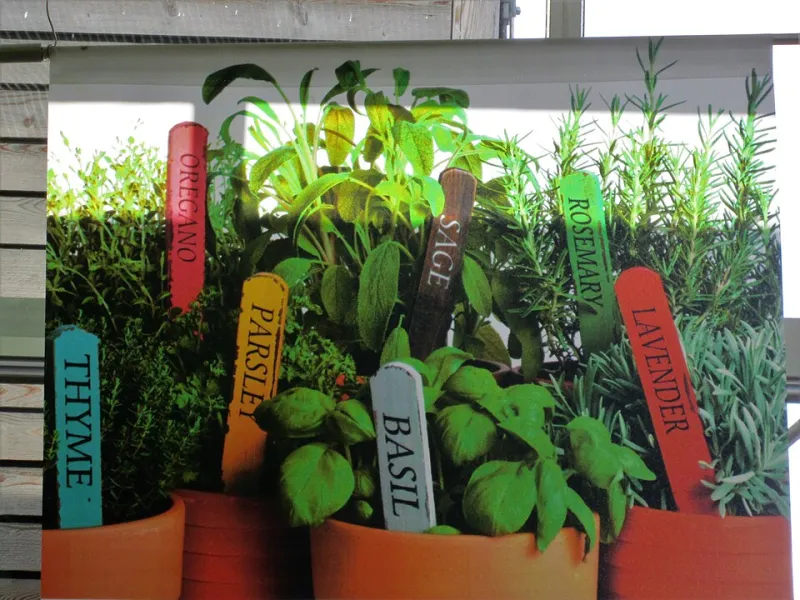
Photo: Corradox, CC BY-SA 4.0, via Wikimedia Commons
Thyme, sage and rosemary are the reliable trio of the winter kitchen. They also happen to share the same basic needs: sun, sharp drainage and a certain amount of neglect. That makes them good companions in one pot, whether that pot sits on a south-facing windowsill or on a sheltered patio against a warm wall. The aim is not a lush summer herb garden. It is a small, edible supply of leaves when the light is low and the cooking is slow.
Start with the right pot and compost
Choose a pot at least 35cm wide and 30cm deep, with a drainage hole. Three herbs in a tiny pot will fight for water and root space. Fill it with a free-draining mix: ordinary peat-free compost with a good handful of horticultural grit or perlite. Put crocks or broken polystyrene in the base if the pot is heavy, and stand it on feet so water can escape. Rosemary and sage hate wet feet more than cold; thyme is not far behind.
Light, warmth and the British winter
All three want as much light as you can give them. A south-facing windowsill is ideal. On a patio, choose a spot against a wall that catches the sun and shelters the pot from driving rain. Move the pot away from cold glass on frosty nights if you can; a sheet of bubble wrap around the pot, not over the leaves, helps. Indoor central heating can dry the air, so keep the pot away from radiators. They will slow down in winter, and that is fine. You are growing for small harvests, not for a flush.
Watering and feeding
Water sparingly. Check the compost with your finger before watering; if it is damp below the surface, wait. In winter, once a week may be enough, and less in cold, dull weather. Never leave the pot sitting in a saucer of water. Feed little: a weak liquid seaweed feed once a month from spring is plenty. Too much food makes soft, sappy growth that winter will punish.
Pruning for shape and supper
Harvest and pruning are the same job. Pinch the tips of thyme to keep it bushy. Cut sage lightly, never into old, bare wood. Rosemary can be trimmed after flowering, but avoid hard cutting back into brown stems. In winter, take only what you need for cooking — a few sprigs at a time. Small, regular pickings keep the plants compact and give you leaves for the pan.
Kitchen uses for each herb
Thyme is the quiet worker. Strip leaves into roast roots, mushroom soup, lentils or a honey-mustard dressing. Sage is stronger: fry leaves in butter until crisp for squash or pasta, or chop a little into stuffing and beans. Rosemary is the blunt instrument, in the best way. Use it with roast potatoes, lamb, white beans or a honey glaze for carrots. A little goes a long way, especially in winter when the flavour is concentrated.
If one plant sulks
If one herb fails, do not rush to replace it in the depths of winter. Herbs planted in cold, wet compost often rot before they settle. Keep the pot as it is, ease back on watering and try again in spring. A healthy young plant from a garden centre is a better bet than seed at this time of year. And if the pot looks a bit scruffy by February, so be it. The leaves still earn their place.
A note on expectations
The pot will not replace a supermarket herb shelf. It will give you small, useful pickings and a bit of green on a grey day. That is enough. At Kale & Bee we like this kind of project: modest, edible and tuned to the British weather. Start with healthy young plants rather than seed in winter, keep the drainage sharp and the watering cautious, and the trio should see you through to spring.