The Bottle Beside the Kettle: A Thyme and Cider Vinegar Oxymel for Winter

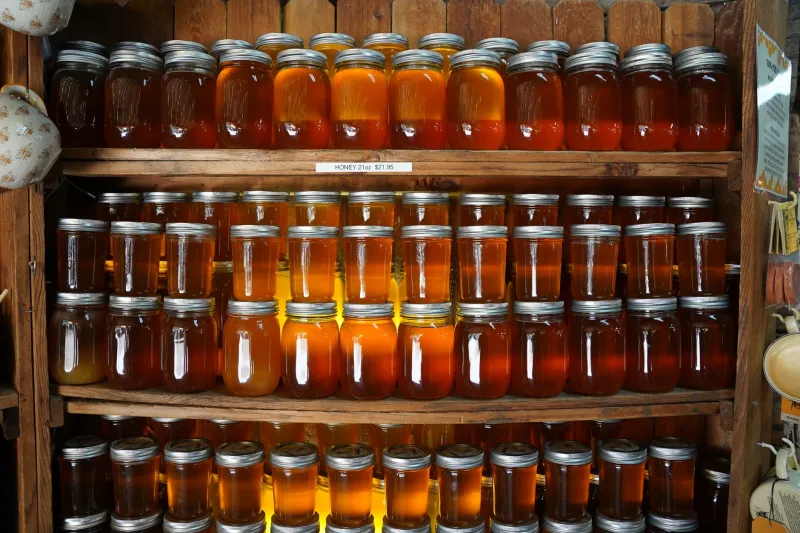
Photo: Fiona Avis, CC BY-SA 2.0, via Wikimedia Commons
There is a certain kind of kitchen bottle that earns its place not by being impressive, but by being reached for. Mine sits beside the kettle, slightly sticky at the neck, with a few thyme leaves suspended in it like something caught mid-thought. It is an oxymel: honey, cider vinegar, and a herb or two. Nothing more.
Oxymels have been knocking about since ancient Greece, which is a long time for a mixture of two cupboard ingredients to stay relevant. But I am not here to sell you a tonic or a cure. I am here because a spoonful of this sharp-sweet stuff makes a winter dressing taste brighter, a tray of roots look more interesting, and a hot drink feel less like a chore. That is enough.
What an oxymel actually is
Strip away the name and you have a preserve-style infusion. Honey brings sweetness and body; vinegar brings acidity and a long, steady shelf life. Herbs bring the part that makes it yours. The result is not a syrup and not a shrub exactly — though it is close cousins with both — but a pouring, spooning, shaking sort of condiment.
The proportions are forgiving. A rough 3:2 ratio of vinegar to honey by volume is a good place to start, though some people prefer it sweeter and some sharper. I tend toward 200ml cider vinegar to 150g runny British honey, which lands in a useful middle ground: sharp enough to cut through roast fat, sweet enough to sip from a teaspoon without wincing.
Use a cider vinegar you actually like the taste of. It does not need to be expensive, but it should not be harsh enough to make your eyes water. If you can find one with the mother, fine — it will look cloudy and alive, which is not a problem. Raw British honey is also worth seeking out, not because it is magic, but because it tastes of something. A mild rapeseed honey will keep things gentle; a darker, more robust honey will push the bottle toward savoury territory.
The small-batch method
You need a clean jar, a few sprigs of thyme or rosemary, and about ten minutes. That is genuinely it.
Warm the honey very gently if it has set — stand the jar in a bowl of warm water rather than microwaving it — then combine with the vinegar in a clean jar and stir or shake until dissolved. Add three or four sprigs of thyme, or a couple of rosemary sprigs snapped in half so the oils can get to work. Seal, shake, and leave on the counter for a week or two, shaking whenever you remember.
After that, strain out the herbs through a fine sieve, bottle the liquid, and label it if you are the labelling sort. I am not, which is why I have a bottle of something dark orange in the cupboard that could be oxymel or could be a very old chilli oil. Do as I say, not as I do.
One practical note: do not use a metal lid if you can avoid it, because vinegar and metal are not great friends over weeks. A glass bottle with a plastic-lined cap or a swing-top stopper is ideal. Keep it in a cool, dark cupboard; it will last for months. If you want to be cautious, keep it in the fridge, though it will thicken and need a warm-up before pouring.
Keeping it honest: storage and expectations
This is a condiment, not a cold remedy. It will not stop you getting ill, and it will not cure anything. What it will do is make you more likely to eat a bowl of greens in January, which is a modest but real victory.
Because of the honey, it is not suitable for babies under twelve months. The vinegar makes it acidic, so if you have reflux or a sensitive stomach, start with a small spoonful rather than a generous glug. If you are pregnant, on regular medication, or managing a health condition, ask a sensible professional rather than a food writer with a sticky bottle. And do not swig it neat like medicine — it is strong stuff, and your teeth will not thank you.
Four ways it earns its place
A kale dressing that behaves. Whisk two tablespoons of oxymel with four tablespoons of olive oil, a teaspoon of Dijon mustard, and a pinch of salt. Massage into shredded kale, leave for ten minutes, and the leaves will soften without turning to mush. This is the sort of dressing that makes a bag of kale feel like a deliberate choice rather than a penance.
A glaze for roots. Toss parsnips, carrots, or wedges of squash with a spoonful of oxymel and a little oil before roasting at 200°C. The honey encourages browning; the vinegar keeps it from turning cloying. Finish with a little more oxymel at the table if you like.
A hot drink for grey afternoons. A teaspoon in a mug of hot water with a slice of lemon is a pleasant, warming thing — not a cure, just a drink. Let it cool slightly before drinking if you are prone to heartburn.
A pan deglaze. After frying pork chops or chicken thighs, splash a tablespoon into the hot pan and scrape up the sticky bits. Add a knob of butter and spoon it over the meat. It takes thirty seconds and makes a Tuesday night feel slightly more considered.
The bottle beside the kettle will not last forever, but it will last longer than most things in the fridge. Make a small batch, keep it honest, and use it where it helps. That is all an oxymel really asks.