A Small Yellow Block: British Beeswax for the Ordinary Winter Kitchen

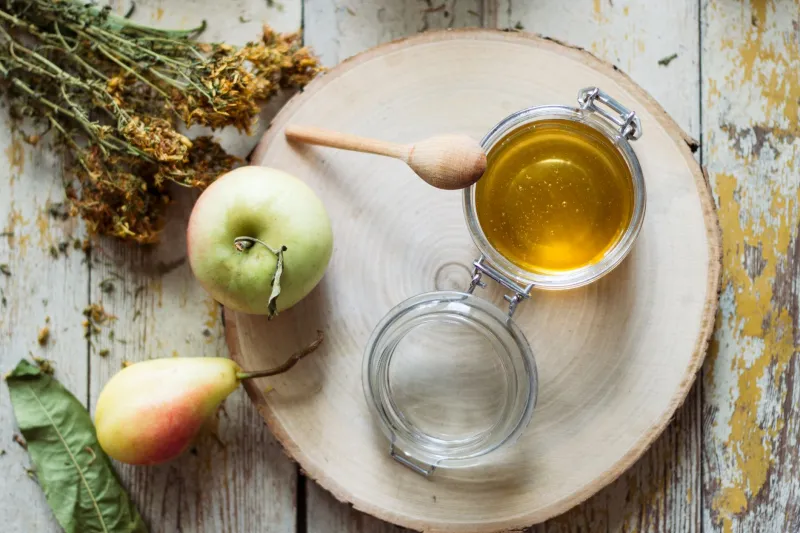
Photo: British beeswax block wooden board cotton food wrap warm kitchen, via static1.simpleflyingimages.com
In a November kitchen, the honey jar tends to take the spotlight. It is the thing you spoon over porridge, stir into a mustard dressing, or eat straight from the jar when nobody is looking. Beeswax arrives with far less ceremony: a small yellow block, maybe wrapped in paper, maybe stuck to the side of a honey order like an afterthought. And yet it is the other half of the hive, and it has a genuinely useful life in an ordinary British kitchen.
The trick is to avoid turning it into a craft-fair project. You do not need a dedicated wax melter, a Pinterest board, or a cupboard full of labelled equipment. A small block, a bowl, a cloth, and a bit of patience will do most of what matters. This is gentle sustainability in the useful sense: a few small changes that earn their place, not a whole new personality.
Start with a block, not a mountain
For most kitchens, 100g to 250g of food-grade beeswax is plenty. It goes a long way. Buy more than that and you will spend the next two winters moving it around the cupboard.
British beeswax is available from local beekeepers, farmers' markets, some delis and health-food shops, and plenty of reputable online sellers. Colour varies from pale gold to deep mustard, and the smell can be anything from faintly honeyed to almost grassy. That variation is normal. What matters is that the wax is clean, filtered, and sold as food-grade if it is going anywhere near food, boards, or wraps. Avoid craft wax with added fragrance, dye, or mystery oils. If you are buying from a beekeeper, ask what it has been filtered through and whether they would use it on a spoon. A good seller will not mind the question.
Keep it cool, dry, and out of direct sunlight. A tin or a paper bag in a dark cupboard is fine. Beeswax can develop a faint bloom on the surface; that is harmless.
The wrap question, handled honestly
Food-safe beeswax wraps are the obvious entry point. They are cotton cloths impregnated with beeswax, often with jojoba oil and tree resin to make them more pliable. You can buy them ready-made, which is the sensible first step if you are unsure, or make them with a kit.
The honest version: a beeswax wrap is not a straight swap for cling film. It is good for covering a bowl, wrapping a wedge of cheese, protecting half a lemon, or keeping a loaf from going stale too quickly. It is not suitable for raw meat or fish, hot food, wet food, or anything going in the microwave or dishwasher. In a damp British kitchen, it also needs a bit of care. Wash it in cool water with a little mild soap, rinse, and air dry. Do not wring it out like a dishcloth.
If you make your own, start small. Grate food-grade beeswax over a piece of clean cotton, cover with baking parchment, and press with a warm iron until it melts through. Pure beeswax alone can crack; a little jojoba or a ready-made wrap kit will give a softer finish. Make two wraps, not twenty. See how you get on. A wrap that lives in the drawer and gets used for cheese is worth more than a perfect stack that is too stiff to fold.
Board butter that earns its place
Wooden boards and spoons take a beating in winter. They dry out near radiators, get scrubbed after root vegetables, and sit in the dish rack looking tired. A simple beeswax and oil balm is one of the most satisfying things you can make with a small block of wax.
Use roughly four parts food-grade mineral oil to one part beeswax by weight. Melt the wax gently in a heatproof bowl over a pan of simmering water, stir in the oil, and pour into a small jar. Let it cool. Apply a thin layer to a clean, dry board or spoon, leave it overnight if you can, then buff off the excess with a cloth. Do not use olive oil or other cooking oils for this; they can go rancid. Food-grade mineral oil is the reliable choice.
This is not a miracle cure. Beeswax blend makes wood more water-resistant and helps stop it drying out, but it will not repair cracks, sterilise a smelly board, or make a porous old chopping board safe again. If a board has deep splits or a persistent sour smell, retire it. A beeswax rub is maintenance, not resurrection.
Small projects for a slow afternoon
Once you have a block, a few useful things follow naturally. A waxed cloth bowl cover is basically a large wrap with a bit more shape. A second coat of board butter on the wooden spoons is a ten-minute job while the kettle boils. If you are so inclined, beeswax also makes a decent kitchen candle, but keep that separate from the food-grade wax and use a proper wick and heatproof container. It is not a reason to melt wax on the hob without thinking.
The best projects are the ones that solve a small, real annoyance: the cheese drying out, the board looking parched, the spoon feeling rough. Start there. A block of British beeswax is not a lifestyle. It is a pantry ingredient with a useful second life.
What it cannot do
Beeswax is not a preservative. It will not keep food safe on its own, replace refrigeration, or make a damp cupboard into a larder. It is not waterproof in the way plastic is waterproof; a wrap will still let a wet bowl weep. It is not necessarily cheaper than the thing it replaces, and it is not vegan. Not every beeswax is food-grade, and not every yellow block sold at a market is suitable for kitchen use.
It also pays to be careful with heat. Beeswax is flammable if overheated, so melt it gently and never leave it unattended. Do not pour hot wax down the sink. Keep it away from children and pets while it is liquid.
Buying British, without the performance
British beeswax is a small, seasonal by-product of British beekeeping. It varies. It is not always available in vast quantities, and it is not always cheap. If you can buy from a local beekeeper, you are supporting a small operation and getting a wax with a bit of character. If you buy online, look for clear food-grade labelling and a UK supplier you trust. Ask questions. Keep the block small. Use it up.
The honey jar will always be the headline. The beeswax is the quiet supporting act: a little block that makes a board last longer, a wrap useful, and a November afternoon feel gently purposeful. That is enough.