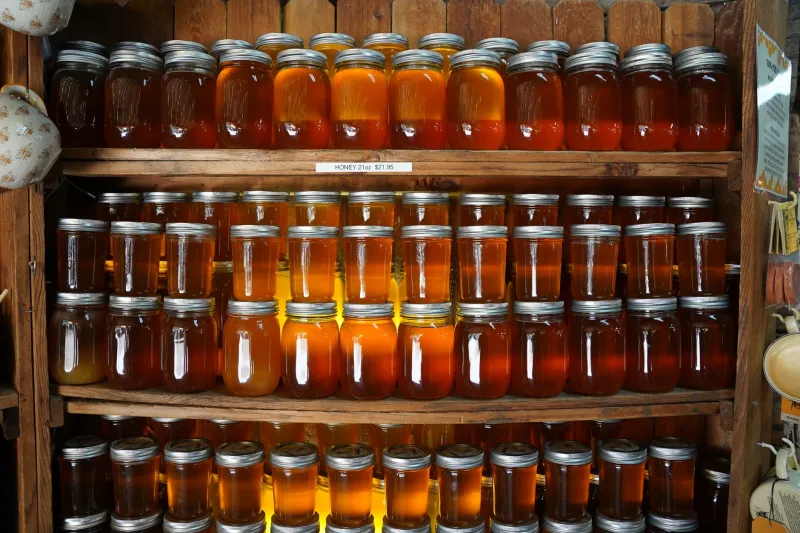
Freeze Now, Spoon Later: A Honeyed Cranberry Sauce for the Busy Weeks Ahead
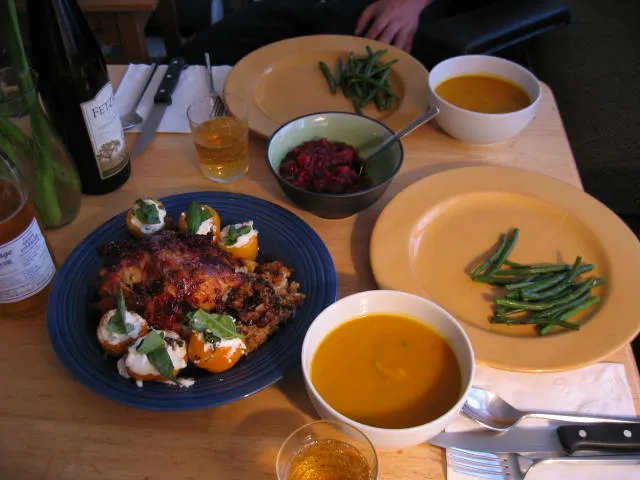
Photo: Chris Wetherell from San Francisco, California, CC BY 2.0, via Wikimedia Commons
There is a particular kind of November optimism that involves buying three bags of cranberries and believing you will deal with them later. This is not that. This is the opposite: a small, calm kitchen job that takes less than an hour and pays you back in the middle of December, when the fridge is full and everyone has an opinion about sauce.
Cranberry sauce is one of the few festive things that freezes beautifully. It does not need a water bath, a sterilising marathon or a cupboard shelf. It needs a pan, a wooden spoon, a few clean little jars and enough freezer space to hide them behind the peas. And it needs honey that knows its place.
Why freezing makes sense here
Cranberries are tart, firm and full of pectin. Cook them with a little liquid and they collapse into a thick, spoonable sauce without much help. Because the sauce is high in acid and fairly low in water, it freezes well and thaws without turning grainy or watery. Small jars are the point: you want enough for one meal, not a vat that follows you into January.
The other reason is timing. Late November is quiet. December is not. Making a batch now means one less pan on the hob when you are already roasting something large and trying to remember where you put the good serving spoon.
Choosing a honey that behaves
This is not the place for a dark, bossy honey. Ivy honey, buckwheat or a strongly flavoured heather honey will push the sauce into something else entirely — delicious, perhaps, but not cranberry sauce as most people recognise it. Use a mild British honey: spring blossom, rapeseed or a gentle mixed wildflower. You want sweetness and a soft floral note, not a takeover.
Honey also brings a different kind of sweetness from white sugar. It is a little more rounded, a little more interesting, and it can tip into cloying if you are heavy-handed. Start with less than you think. You can always add another spoonful at the end, but you cannot take it out.
The balance question
Cranberry sauce lives or dies on contrast. You need tart, sweet, a little bitter from the orange zest and the faintest herbal whisper from rosemary. Too much honey and the sauce tastes like fruit jam. Too little and it makes your face fold in.
My rule is simple: cook the berries first with a splash of water and the orange zest, then sweeten in stages. Taste after the first spoonful of honey. Taste again after the second. Stop when the sauce is still bright and slightly sharp — it will mellow a little as it cools and again in the freezer.
A small pinch of salt helps more than it should. A few drops of lemon juice at the end can rescue a batch that has gone too sweet. And rosemary is a strong character: one small sprig, left in while the sauce simmers and removed before freezing, is plenty. You want a suggestion, not a hedge.
A small-batch method
This makes roughly two 200ml jars, depending on how much you reduce it.
- 300g cranberries, fresh or frozen
- 3–4 tbsp mild British honey, plus more to taste
- Zest of half an orange, plus a squeeze of juice
- One small rosemary sprig
- 2 tbsp water
- A tiny pinch of salt
Put the cranberries, water, orange zest, salt and rosemary in a small saucepan. Cook over a medium heat until the berries begin to pop and release their juice — about five minutes. Stir in two tablespoons of honey, then lower the heat and simmer gently for another eight to ten minutes, stirring now and then, until the sauce is thick but still spoonable. It will thicken further as it cools.
Taste. Add more honey if it is too sharp, a squeeze of orange or lemon if it is too sweet. Fish out the rosemary. Cool completely before freezing.
Freezing and thawing without drama
Spoon the cooled sauce into small, clean freezer-safe jars. Leave a good centimetre of headspace — sauce expands as it freezes. Label with the date and what it is, because frozen cranberry sauce looks remarkably like frozen something else.
Thaw overnight in the fridge. If you are in a hurry, stand the jar in a bowl of cool water for half an hour, then give it a stir. Do not microwave it in the jar unless you are certain the jar is microwave-safe; a small pan over a low heat is gentler. Once thawed, use within a few days. The texture will be slightly softer than fresh-made sauce, which is fine.
Where it earns its place
Obviously: roast turkey, roast ham, venison, cold leftovers in a sandwich. Less obviously: a winter cheese board, where a spoonful cuts through a creamy Lancashire or a sharp Cheddar. A blob on porridge in the morning, with an extra drizzle of honey if you like. A spoon stirred into gravy for a bit of fruity sharpness. A small dish alongside a baked camembert, if you are that sort of household.
The point is not to make a grand festive statement in November. It is to do a small, useful thing while the days are short and the kitchen is quiet. A jar in the freezer now is a calmer December later. That is a trade worth making.