Snip, Don't Shop: Pea Shoots and Kale Microgreens on a Winter Windowsill
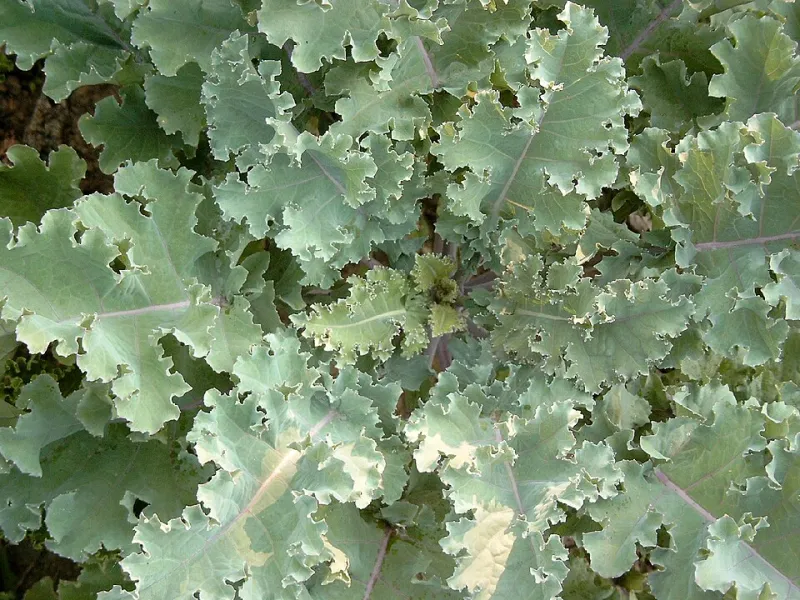
Photo: Daderot, CC0, via Wikimedia Commons
By the end of November, anyone growing in a small space is mostly in the business of looking at things rather than eating them. The kale is standing there, slow and tough, doing its winter thing. The herbs are sulking. And yet there's a south-facing windowsill doing absolutely nothing except holding a sad basil plant and a candle.
Pea shoots and kale microgreens are the most forgiving thing you can grow in that space. They don't need heat, they don't need a greenhouse, and they don't need a long season — just light, a tray, and about ten days of patience. You won't be self-sufficient. You'll have something green to snip over a sandwich in the middle of January, which turns out to be worth quite a lot.
Why start now rather than in spring
Two reasons. First, the thing microgreens need is light, not warmth, and a windowsill in December gets more direct sun than you'd think — the sun is low, so it comes straight in rather than over the rooftops. Second, indoor crops don't care that it's raining sideways. Your growing season has effectively moved inside, and it starts whenever you sow the first tray.
What winter does limit is speed. Expect everything to take a few days longer than the packet suggests, especially in a cold flat. That's fine. A staggered tray every fortnight keeps things coming without any single moment of crisis.
What you actually need
Less than the internet will tell you.
- A container with drainage. A proper seed tray, a reused mushroom punnet with holes poked in the bottom, or a washed takeaway tub. Shallow is fine — 4 to 5cm of compost is plenty.
- Compost. Multipurpose is fine. Don't faff about with seed compost; the seeds have enough energy in them to get going.
- Seed. For shoots, dried whole peas from the supermarket will germinate perfectly well and cost a fraction of 'shoot' seed, and any kale seed you've got left from the summer works too. Red Russian gives you a bit of colour; curly kale is just as tasty.
- A windowsill. South or west-facing is best. A north-facing kitchen will still work, slowly, but expect leggy, pale, slightly dramatic seedlings.
- A mister or a small jug. That's it.
Sowing, step by step
Fill your tray loosely to about 2cm from the rim and firm it gently with the flat of your hand — you want an even, level surface, not a compacted brick.
For pea shoots, soak the dried peas overnight first. They swell, and swollen peas sprout faster and more evenly. Scatter them fairly thickly across the surface — close but not touching, roughly a pea's width apart. Push them gently into the compost and cover with about 1cm of compost, then water.
For kale, sow much more thickly. Microgreens are harvested as seedlings, so density is the point — aim for a fairly generous pinch over a small tray, then cover with a bare scattering of compost, maybe 3mm. Any more and they'll struggle to push through.
Water from above with a mister or a very gentle rose, then cover the tray with a bit of cardboard or an upturned lid and put it somewhere warm-ish and dark for germination. Airing cupboard is too hot; on top of the fridge is about right. Peas take 5 to 10 days, kale 4 to 7.
Light, water and the mould question
The moment you see green, get the tray into the light. This is the step people skip, and it's the one that matters — seedlings left in the dark go pale, thin and floppy, and never really recover.
Turn the tray a quarter-turn every day or two if it's on a windowsill, otherwise everything leans towards the glass like a choir looking at the conductor.
Water little and often, ideally from below: stand the tray in a centimetre of water for a few minutes, then let it drain. Soggy compost at the surface is what brings on mould, and mould in a warm flat is the main way these crops fail.
If you do get a fuzzy patch, don't panic and don't spray anything. Scoop the affected area out with a spoon, improve the airflow — crack a window for ten minutes, move the tray off the sill at night when the glass gets cold and condensation forms — and cut back on watering. Peas are more prone to this than kale, mainly because they're damper underneath.
A small fan on the lowest setting for an hour a day sounds excessive but genuinely helps in a sealed modern kitchen.
Harvesting, and what a tray is really worth
Pea shoots are ready at about 10 to 14 days, when they're 8 to 12cm tall and you can see the first little tendrils uncurling. Cut them about 3 to 4cm above the compost with scissors — you'll often get one decent second cut a fortnight later, though it's thinner.
Kale microgreens are ready at a similar point, when the seed leaves are open and the first true leaf is just showing. Cut low, just above the soil line, and don't expect a second harvest — it's a one-cut crop.
Now the honest bit about yield. A full-size seed tray gives you roughly two generous handfuls of pea shoots, or a small cereal bowl of kale microgreens. A reused punnet gives you enough for two or three rounds of sandwiches. This is not a salad operation; it's a garnish-and-a-bit operation, and it's worth being clear about that before you sow six trays and start resenting them.
Which is why a fortnightly rhythm works better than a big sowing. Two punnets a fortnight, one peas and one kale, will keep a household in snippings from December to March without a single glutsome week.
Three things to do with a small bowl of snippings
A sandwich that earns its name. Good bread, salted butter, a sharp Cheddar, and a fat pinch of pea shoots pressed in at the end. Add a little honey-and-mustard dressing — a teaspoon of runny honey, a teaspoon of mustard, a squeeze of lemon — and the shoots stop being decoration.
Egg mayo, upgraded. Kale microgreens chopped roughly and folded through egg mayonnaise with a bit of black pepper and a scrape of lemon zest. The slight bitterness of the kale does the same job as watercress, only you grew it on a windowsill in February.
On top of soup. A leek and potato soup, or a plain squash one, finished with a handful of shoots, a drizzle of good oil and some toasted seeds. Because the shoots are cut small and tender, they wilt just enough on contact with the hot soup without going slimy.
And if the whole experiment produces three sandwiches and one bowl of soup over the winter — that's three sandwiches and one bowl of soup you wouldn't otherwise have had. The windowsill was going to be sitting there anyway.