A Balcony, Not a Meadow: What Small-Space Pollinator Planting Can Honestly Do
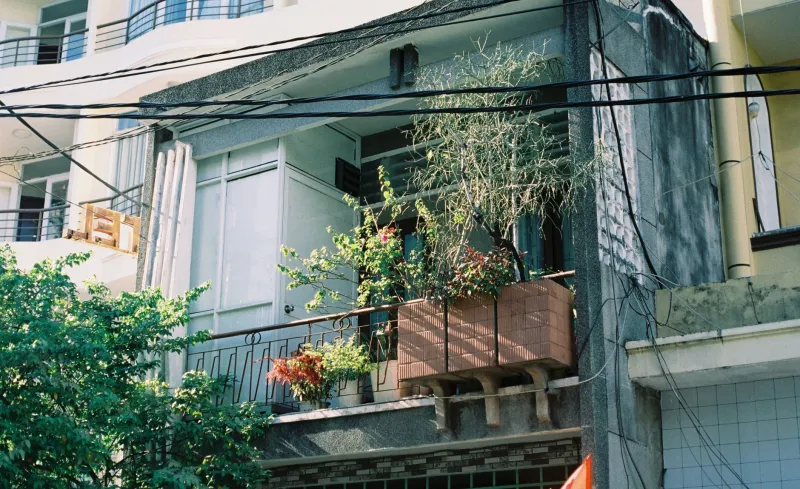
November is when a balcony tells the truth. The summer pots are collapsed, the last nasturtiums are limp, and the whole thing looks less like a pollinator garden and more like a collection of tired buckets. That's fine. Winter is the honest planning season, and it's a good moment to ask what a small UK space can actually do for bees, hoverflies and the rest of the garden's unpaid workforce.
The short answer: quite a lot, but not everything. A balcony is not a meadow. It is a service station. Get that straight and the planting decisions become much easier — and much less expensive.
The uncomfortable truth about pretty bedding
Garden centres are very good at selling colour. They are less good at telling you that a lot of it is nectar-poor. Winter pansies, double primulas, busy Lizzies, bedding begonias and the vast majority of pelargoniums are ornamental first and pollinator plants a distant second. Double flowers are often the worst offenders: all those extra petals have come at the expense of the stamens and nectaries that insects actually need.
That doesn't make them wicked. It makes them decoration. If you want a balcony that genuinely helps, look for single, open-centred flowers where you can see the middle. A simple rule: if a bee can't land on it without doing gymnastics, it probably isn't earning its compost.
What actually earns its square foot in a pot
This is where honesty matters. Some UK-native plants are superb in the ground and hopeless in a container. Others are thuggish, too tall, or need a soil depth a balcony cannot offer. So the list below mixes natives with reliable long-flowering non-natives, because a pot is not a nature reserve and pragmatism wins.
For late autumn and winter, ivy is the quiet hero. Common ivy flowers in November and December, when almost nothing else is open, and it is a magnet for late bees and hoverflies. Keep it clipped in a pot and it won't take over the railings. Snowdrops, crocus and hellebores carry the baton into January and February; crocus are not UK-native but they are early and generous, and hellebores offer pollen on mild days. Rosemary will often throw a few winter flowers in a sheltered spot.
For spring, pulmonaria is worth a pot if you have shade, and borage is excellent in a sunny one — though it self-seeds with enthusiasm, so deadhead if you are precious about tidiness. Chives and wild marjoram are useful bridge plants, flowering early and then again if cut back.
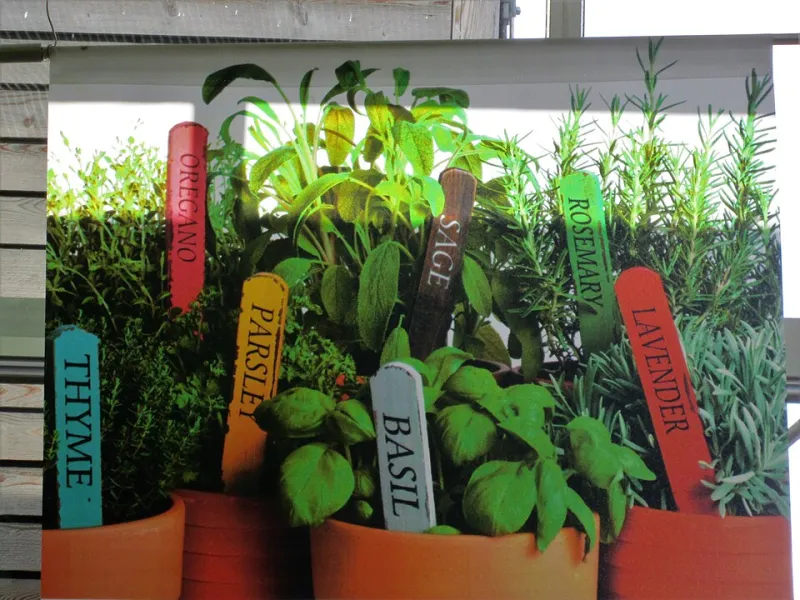
For summer, the reliable container team is lavender, catmint, oregano, thyme, sage and calamint. None of those are UK natives in the strict sense, but they are long-flowering, drought-tolerant and genuinely used by insects. Perennial wallflower is another strong performer, flowering for months on end. If you want a native, wild marjoram is the easiest to justify in a pot: it is compact, fragrant and busy with small bees in July.
The point is not to collect plants like stamps. Three good pots that flower in succession will do more than twenty mediocre ones that all peak in the same fortnight and then sulk.
The bits nobody photographs: water and shelter
Flowers get the attention, but a balcony without water is a café with no drinks. A shallow dish with pebbles or a few stones gives bees and wasps somewhere to land and drink without drowning. Refresh it every couple of days, and don't let it become a mosquito nursery. In hot spells, this is one of the cheapest, kindest things you can add.
Shelter is the other unglamorous essential. Solitary bees nest in hollow stems and bare soil; queen bumblebees overwinter in leaf litter and undisturbed corners. That means resisting the urge to tidy everything in October. Leave a small patch of stems uncut, a little leaf litter in a corner, a log or a bundle of hollow canes tied somewhere dry. A bee hotel can be fine if it is clean, dry and south-facing, but it is not compulsory. A messy corner often does the job better.
And please: no pesticides. A balcony is small enough that one spray can wipe out the very insects you were trying to help.
Winter is not a dead season
The pollinator year does not begin in June. Queen bumblebees emerge on mild winter days, and honeybees will fly for water and early forage when the sun comes out. Ivy, snowdrops, crocus and hellebores give them something to find. Leave seedheads and stems standing until late spring — they are winter accommodation, not mess.
The reality check
One balcony will not reverse pollinator declines. It will not replace a hedgerow, a wildflower verge or a garden with a pond. If someone tells you a window box will save the bees, they are selling something.
What a balcony can do is act as a stepping stone: a reliable drink, a few weeks of forage, a dry place to shelter. In a street of balconies, that adds up. The honest aim is quality, not quantity. A single lavender pot that hums in July is worth more than a row of double begonias that look lovely and feed nothing.
And a small reminder from the honey shelf: a jar of British honey is a record of a functioning landscape, not a product of your balcony. You won't be harvesting your own crop from three pots, and that's fine. The point is to support the wild pollinators that keep the whole system ticking over.
A simple plan for a small space
If you have one metre by two metres and a bit of sun, try this: two large pots for lavender and oregano, one for rosemary and thyme, one winter pot with snowdrops, crocus and a hellebore, and a clipped ivy in the corner. Add a shallow water dish, leave a scruffy patch of stems, and use peat-free compost. Water in dry spells, even in winter if the pots are sheltered. Raise pots on feet so they drain.
Start smaller than you think. A balcony that is easy to look after will be looked after. That is the real pollinator plan.