Before the Frost: A Gentle Triage for the Awkward November Kitchen

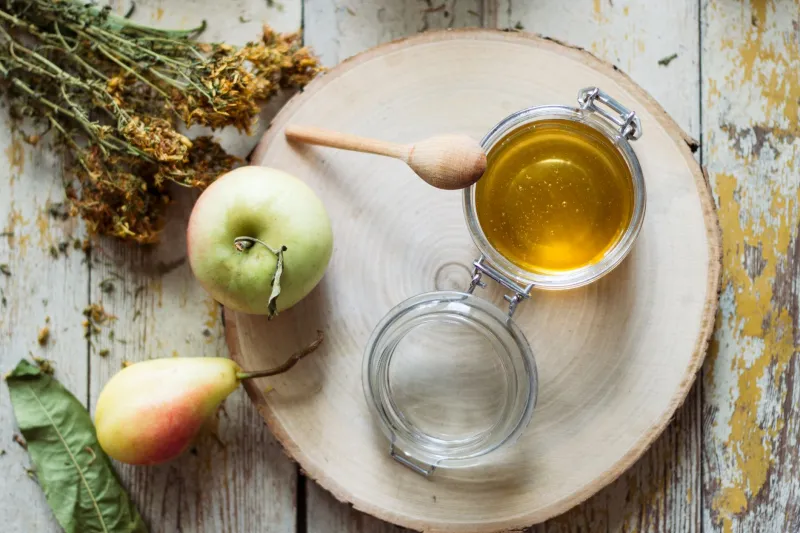
Photo: David Smith , CC BY-SA 2.0, via Wikimedia Commons
There is a particular week in November when the British kitchen feels slightly hungover. The tomatoes are refusing to ripen, the kale has gone a bit limp at the edges, and there is half a butternut squash wrapped in foil like a suspicious parcel. The summer glut is over, the winter stores are not yet in, and the sloe gin you made two years ago has become part of the furniture.
This is not a crisis. It is an audit — a gentle one, preferably with tea. The aim is not a spotless larder or a perfectly planned menu. It is simply to turn the odds and ends into three or four genuinely good meals before anything gives up entirely.
Start with the three-pile method
Empty the fridge shelf and the larder corner onto the table. Not the whole fridge — just the awkward zone. Then make three piles.
Pile one: eat this week. Anything that is still genuinely pleasant raw or lightly cooked. A few firm tomatoes, a decent carrot, the last of a bunch of parsley.
Pile two: transform now. Things that are past their best but not past their use. Limp kale, soft squash, wrinkled tomatoes, the honey jar with a stubborn inch left at the bottom.
Pile three: let it go. Be honest. A slimy bag of salad is not a soup ingredient. The compost bin, or the food waste caddy, is not a moral failure.
The point is to stop the vague guilt of a full fridge from turning into a wasted week. A ten-minute sort is usually enough.
The green tomatoes: stop waiting for a miracle
Green tomatoes are the great November optimists. We keep thinking they will ripen on the windowsill, and some will — especially if you put them in a paper bag with a banana and check them every couple of days. But the small, hard ones are better treated as a vegetable in their own right.
Halve them, toss with oil, salt and a little crushed coriander seed, and roast at 200°C fan for 20–25 minutes until they slump and catch at the edges. Stir them through a pan of softened onion and shredded kale, add a spoonful of honey loosened with cider vinegar, and you have a sharp-sweet side that works with sausages, roast chicken or a baked potato. Any leftover roasted tomatoes can be mashed onto toast the next morning with a little cheese.
If you have a glut, a quick green tomato chutney is worth the twenty minutes. Chop them with an onion, a splash of vinegar, a spoon of honey and a pinch of chilli, then simmer until jammy. It will keep in the fridge for a fortnight and make a ham sandwich feel like a considered meal.
The half-squash: a case for the rough chop
Half a butternut squash is rarely a planned ingredient. It is usually the survivor of a recipe that only wanted half, or a market bargain that looked smaller in the field. Do not try to make it into something elegant. Cut it into rough cubes — skin on is fine if you are roasting — and give it high heat, oil, salt and a little honey.
Roast it with sage leaves and a pinch of chilli until the edges are dark and sticky. Then decide: fold it through pasta with plenty of black pepper and a spoon of crème fraîche, or blend it into a soup with a tin of white beans and enough stock to loosen. The soup is not a compromise; it is the better option on a wet Tuesday.
Keep the seeds, too. Rinse them, toss with oil and salt, and toast them in the oven for the last ten minutes. They are the cook's reward.
Limp kale: use the whole bunch
Limp kale is not bad kale. It is simply kale that needs cooking rather than massaging. Strip the leaves from the ribs, shred the leaves roughly, and slice the ribs thinly. The ribs are the part that makes a traybake feel substantial — they take longer, so give them a head start in the pan with a little oil and a pinch of salt.
For a quick supper, roast the ribs with the squash, then stir the shredded leaves through at the end with a honey-mustard dressing: a teaspoon of honey, a teaspoon of mustard, a tablespoon of cider vinegar and three tablespoons of rapeseed oil. The heat of the tray will wilt the leaves just enough.
If the leaves are very soft, don't roast them. Fry them hard and fast with garlic and chilli, then pile them onto toast with a fried egg. That is not a compromise either.
The honey dregs and the forgotten sloe gin
The last inch of honey in a jar is not a nuisance. Stand the jar in a bowl of warm water for five minutes, then add vinegar, oil, mustard and a pinch of salt straight into the jar and shake. You have a dressing without washing a bowl. The same trick works with a little hot water and lemon for a throat-soothing drink, or swirled into yogurt with toasted oats.
The sloe gin is another matter. If it has been sitting at the back of the cupboard since you made it, decant it, taste it, and use it. A splash over poached pears with a spoon of honey is a very good November pudding. It also lifts a roast squash glaze, or makes a surprisingly decent aperitif with tonic and a strip of orange peel. Do not let it become a dusty trophy.
The fridge-door checklist
Stick this to the fridge door if you need a nudge:
- Greens going limp: cook today, not next week. Fry, roast or stir through soup.
- Green tomatoes: sort into ripening and cooking piles. The cooking pile becomes a traybake or chutney.
- Half-squash: roast in cubes. Soup, pasta or side dish by Wednesday.
- Honey jar dregs: warm, loosen, shake into a dressing.
- Sloe gin: decant and use. Pears, squash, tonic.
- Odd ends of cheese: grate into a frittata or onto soup.
- Bread going stale: crumbs in the freezer, or croutons for the soup.
Three meals and a jar
A good November audit usually produces something like this: a traybake of squash, green tomatoes and kale with a honey-mustard drizzle; a midweek soup made from the roasted squash offcuts and a tin of beans; a pasta supper with the last of the kale and a spoon of soft cheese; and a jar of dressing made from the honey dregs. That is not a meal plan. It is just a sensible use of what is already there.
The point of the audit is not to become the sort of person who labels every jar with a date. It is to notice what you have, use the good bits, forgive the rest, and go into the frost with a fridge that feels a little lighter. That is a decent November achievement.