Aisle Three, Mid-November: Eating With the British Calendar in an Ordinary Supermarket

Photo: Neil Owen , CC BY-SA 2.0, via Wikimedia Commons
Most seasonal eating writing starts with a wooden crate and a polytunnel. Mine starts with a wonky trolley, a self-checkout that beeps at me twice, and about twenty-five minutes between the school run and dinner. If that sounds familiar, this is for you.
Seasonal eating has a branding problem
Somewhere along the line, eating with the calendar became a lifestyle photoshoot. There's a veg box, a chalkboard, a linen apron. All lovely — genuinely — but the version most of us can actually manage looks more like a bag of leeks and a bit of judgement in the produce aisle.
Here's the thing I keep coming back to: seasonality is not a virtue, it's a supply fact. When something is in season here, there's a lot of it, and when there's a lot of it, it's cheap. The supermarket is already doing most of the seasonal work for you. You just have to notice it.
The shelf is already telling you the season
You don't need a wall chart. You need to look at two things on the label: where it's from, and what it costs.
In November, the British-grown stuff tends to cluster: brassicas, roots, alliums, apples. The prices drop because the volume is there. The pale, watery things in bags — the shredded salad, the imported courgettes — go the other way. Not because they're evil, but because they've travelled and someone has to pay for that.
So the whole method is: buy what's abundant, buy what's British when it's British, and let the price tag be your cheat sheet.
Reading origin labels without spiralling
A few calm rules, then we move on.
- Grown in the UK means grown here. Good.
- Produce of Spain means grown there. Fine — it's November, we're not growing oranges.
- Packed in the UK means exactly that and nothing more. It's a packing address, not a field.
- A county name — Lincolnshire, Kent, Cornwall — is usually a sign you're onto something grown close to home.
That's it. The point isn't to audit every sticker. The point is to make a habit of glancing. If you do it for a month, you'll start knowing November's shape without checking at all.
Some things will never be British. Citrus, bananas, coffee, olive oil, rice, most of the spice rack. Nobody sensible is asking you to give those up. Seasonality isn't purity — it's just attention.
Four swaps that don't cost extra
Bagged salad, out. Cabbage, in. A white or sweetheart cabbage in November is cheap, keeps for a fortnight, and takes four minutes shredded in a hot pan with butter and a spoon of honey. The salad bag is a pound and a half of disappointment that wilts on the walk home.
Courgettes, out. Leeks and roots, in. Leeks sweat down into almost anything — soup, pasta, a tray of roast veg, a cheese sauce. Parsnips roast faster than potatoes and cost less.
Imported berries, out. British apples and pears, in. Cox, Egremont Russet, Bramley, Conference pears. If you want berries in December, buy them frozen — that's not a compromise, that's what freezing was invented for.
Fresh tomatoes for sauce, out. Tinned, in. Tinned tomatoes are summer, preserved. Nobody in a British November is making a decent sauce from a pale hothouse tomato, and pretending otherwise is how people end up resenting seasonal eating.
What actually looks good right now
November's shortlist, in no particular order: kale (obviously), leeks, parsnips, swede, carrots, celeriac, beetroot, red cabbage, sprouts, Savoy cabbage, maincrop potatoes, squash, watercress, forced rhubarb from January, and apples and pears holding on nicely.
If you only change one thing this week, make it the brassica. A cabbage lasts longer than you think, does more than you think, and costs less than you think. The same is true of a bag of carrots and a swede the size of your head.
The freezer aisle counts
There's a strange idea that frozen vegetables are the sad option. Frozen peas are picked and frozen within hours — fresher, in any meaningful sense, than a green bean that spent nine days in a lorry. British frozen berries and peas are a genuinely sensible seasonal buy in winter, and a bag of frozen spinach has saved more weeknight dinners than any recipe book I own.
Where the honey comes in
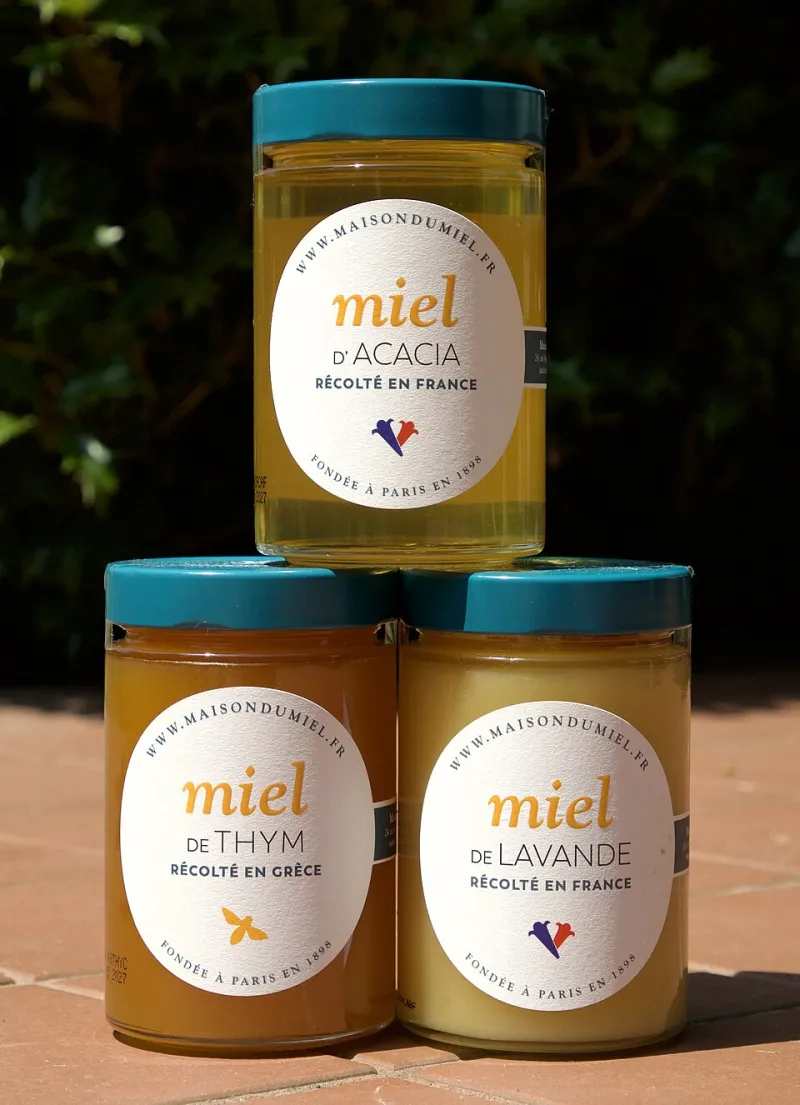
Honey is the seasonal ingredient that refuses to expire. A jar of British summer, sitting on the shelf in February, ready to go into a mustard dressing for shredded cabbage or a glaze for roast parsnips. It's also the cheapest way I know to make winter vegetables feel like they were cooked on purpose rather than assembled in a hurry.
A heaped teaspoon of honey, a heaped teaspoon of mustard, cider vinegar, a pinch of salt, and enough oil to loosen it. That's the whole thing. It works on cabbage, on carrots, on a bowl of lentils that's been loitering in the fridge.
Stop making it a personality
Seasonal eating goes wrong when it becomes a test you can fail. It isn't. Nobody is scoring your trolley. If you buy a cucumber in January because your kid will eat it, buy the cucumber.
The realistic version is this: most weeks, buy a couple of things that are in season, grown here, and cheap. Cook them simply. Notice, over a year, that the produce aisle quietly rearranges itself — the sprouts arriving, the asparagus vanishing in June, the rhubarb turning up stubborn and pink in February. That's the whole practice. It's about as demanding as remembering to look.