Season, Don't Sweeten: The Case for Keeping Honey With the Condiments
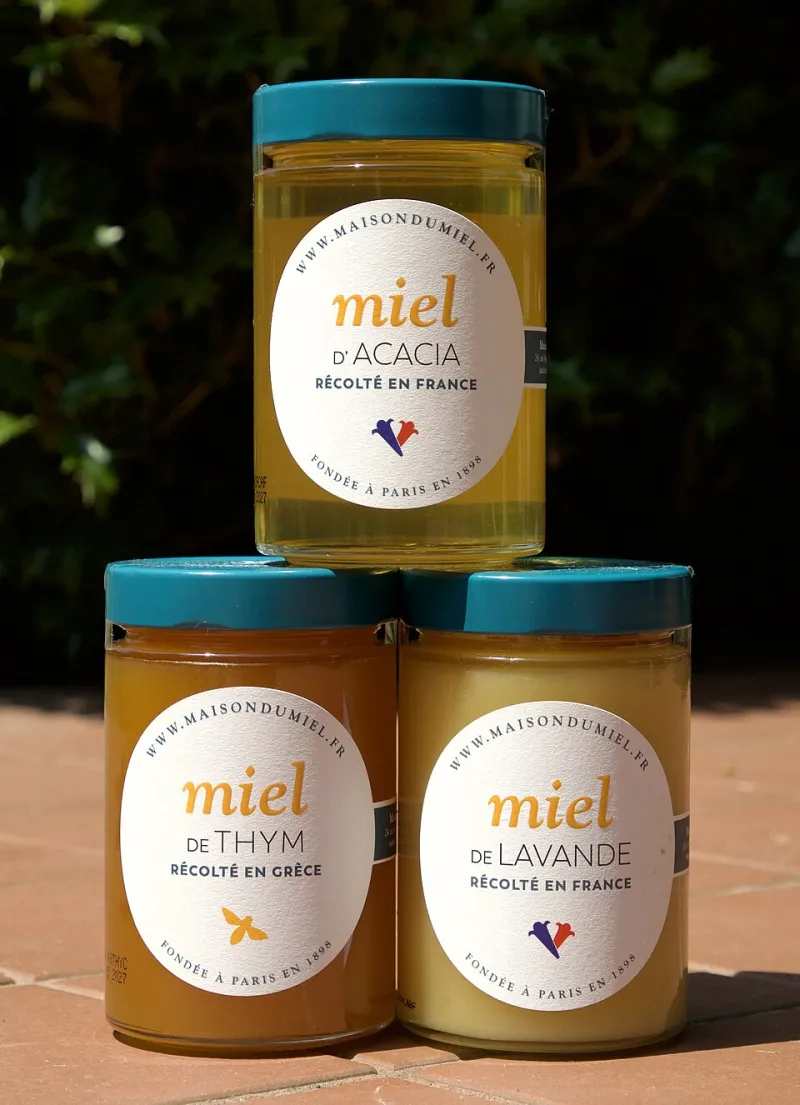
Photo: Hayden Soloviev, CC BY 4.0, via Wikimedia Commons
Look in your cupboard. Find the honey. It is probably on the shelf with the tea bags, the Ovaltine and the good biscuits, kept for sore throats and porridge.
Now look at where the soy sauce lives, and the vinegar, and the mustard. That is where the honey is more useful. Not because honey is a clever trick or a cheffy flourish, but because it is a seasoning — and a genuinely versatile one — that most of us only use in its sweet register.
It isn't just sugar wearing a nice label
Honey is mostly sugars, so it will always sweeten. But the reason it seasons so well is everything else: the aromatic compounds picked up from whatever the bees were working. Lime and borage give something floral and almost citrusy. Heather honey is dark, woody and faintly bitter. Buckwheat is malty and bullish. Even a plain supermarket blend has a soft, faintly waxy roundness that white sugar does not.
That complexity means honey can do what a pinch of sugar does — round off acidity, soften a harsh edge, lift a flat sauce — while adding a character of its own. Used badly, it makes everything taste like honey. Used well, people can't tell what you've done.
Match the intensity before you match the dish
The single most useful thing to learn is that honeys vary enormously in force, and treating them interchangeably is how savoury honey cooking goes wrong.
- Delicate — acacia, borage, lime, most light wildflower blends. Barely more than sweetness with a floral shimmer. Use these where you want balance without announcement: vinaigrettes, a bowl of yoghurt, a light glaze on fish.
- Medium — set rapeseed, sycamore, dandelion, everyday British wildflower. The workhorses. Good for roasting, marinades, cheese, chilli.
- Bold — heather, buckwheat, chestnut, dark forest honey. These are seasoning in the way black pepper is seasoning. They want strong partners: roast squash, game, aged cheddar, bitter greens, dark rye.
The test is simple. Taste a quarter teaspoon and ask whether it tastes of anything beyond sweet. If yes, it goes with bold flavours. If barely, it goes anywhere.
Four ratios worth memorising
You don't need precision. You need somewhere to start.
1. Dressings — one teaspoon to four tablespoons. A teaspoon of honey shaken into three tablespoons of oil and one of cider vinegar or lemon. The sweetness should be a rumour, not an ingredient. If you can name it, halve it.
2. Roasting — one tablespoon per 500g of veg. Honey, oil, a good pinch of salt, tossed through carrots, squash, parsnips or beetroot. Roast hot, then drizzle rather than douse. This is the ratio that converts people.
3. Marinades — one part honey to two parts soy, one part vinegar. Plus grated ginger and garlic. The honey balances salt, helps colour and gives a gloss. Works on chicken thighs, tofu, mushrooms, salmon.
4. Cheese and toast — roughly equal honey and mustard. A teaspoon of each, whisked, spread thinly under the cheese before it goes under the grill. Sharp cheddar, a sourdough crust, a few chilli flakes. It is the whole argument in one sandwich.
Beyond that, a half teaspoon stirred into a tomato sauce or a chilli does quiet, useful work — it rounds off the sharpness of tinned tomatoes without anyone guessing why the sauce tastes friendlier.
The burning question
Honey's sugars catch and scorch before you expect, especially on the exposed edges of a roasting tin. Two habits help: add honey towards the end rather than at the start, and loosen it with oil rather than applying it neat. Keep an eye on the final ten minutes. A tray of honeyed carrots can go from lacquered to acrid faster than you'd think.
Where it usually goes wrong
Three failures, mostly. Too much — honey is a strong flavour and a little goes much further than people assume. Too early — see above. The wrong jar — a punchy heather honey in a delicate dressing will flatten everything else on the plate.
One more thing worth saying plainly: honey is a sugar and should be treated as one. It is not a health food that gets a free pass, and it should never be given to babies under twelve months old, for reasons of infant botulism risk. A tin of local honey is a lovely thing to buy; it isn't medicine.
Buying it for the kitchen, not the shelf
British honey is worth exploring precisely because it is so variable — a jar from a few miles away will taste of what was flowering that season. Runny or set hardly matters for cooking; set honey just needs loosening over a gentle heat or a good stir. If it crystallises, that's a sign of good honey, not a fault.
Keep it at room temperature, out of direct sun, and don't microwave the jar. If you would rather cook without it, maple syrup or a little soft brown sugar will step in, though you'll lose the aromatic edge.
A small shift, a big change in habit
Moving the honey jar next to the soy sauce sounds like a trivial thing to do on a Sunday afternoon. But small kitchen rearrangements change behaviour. Put it there, stick a teaspoon in the drawer beside the salt, and you will start reaching for it while you cook rather than after.
That's the whole argument. Honey is not a treat you add to food. It's a bottle of something with flavour, and it belongs with the rest of them.