Three Jars, One Afternoon: Thyme, Lemon and Chilli Honey for the Cold Months

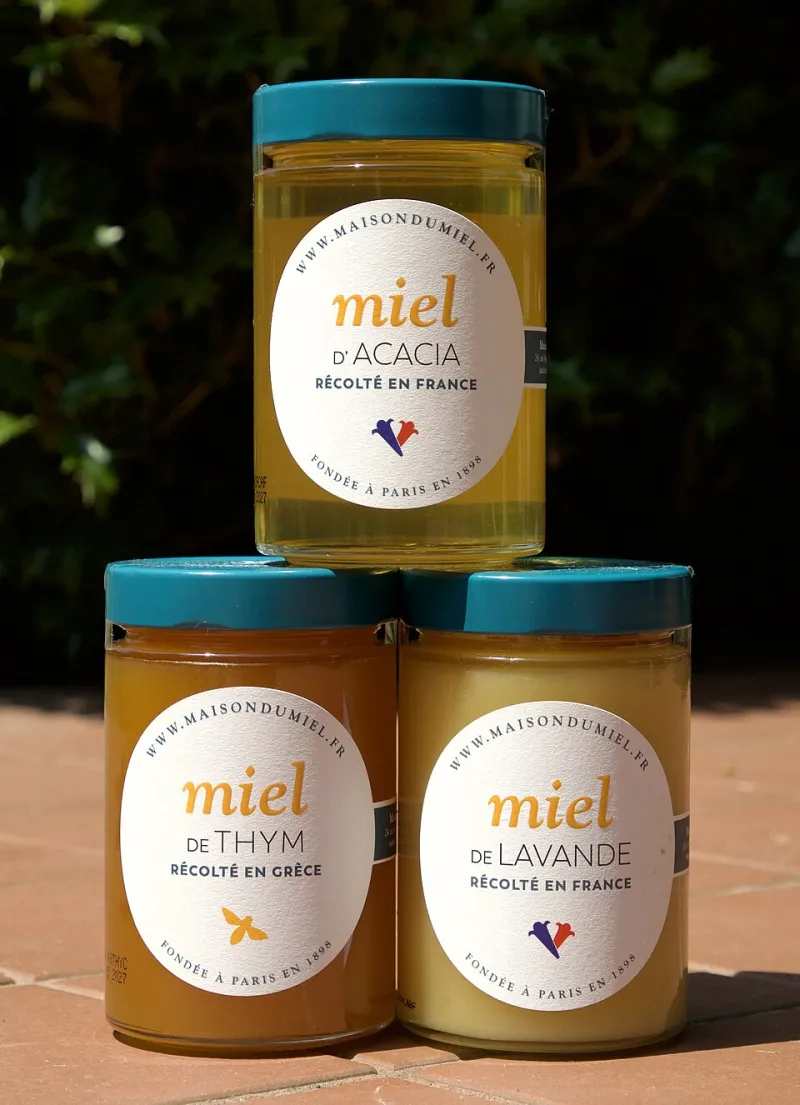
Photo: infused honey jars with thyme lemon and chilli on wooden table, via wallpapers.com
There is a particular kind of kitchen project that sounds lovely on a Sunday and turns into a washing-up mountain by five o'clock. This is not that. Infusing honey takes about forty minutes of actual work, most of it spent waiting for a kettle to boil, and it gives you three small jars that will quietly improve everything you cook between now and March.
Make them in small batches. Small batches are the whole trick: they use up half a jar of honey, they fit in a cupboard, and if one doesn't work out you've lost very little.
First, pick a honey
Infused honey is only as good as the honey underneath, so start with something British and reasonably plain. You want a background, not a soloist.
- A mild runny blossom or rapeseed honey is the easiest starting point. It pours, it warms gently, and it lets the thyme or chilli do the talking.
- A set honey works too — warm the jar in a bowl of warm water until it loosens, or just stir the infusion through and accept a slightly thicker result. Set honey actually holds suspended flakes nicely.
- Skip the strong stuff for this. Heather honey is magnificent and completely bossy; it will steamroll a lemon. Save it for toast and let it win.
Look for the word British, a county, or a named beekeeper on the label. Beyond that, buy what you like the taste of — this isn't the place for a lecture.
The safety bits, briefly
The one real risk with infusions is moisture. Honey is a hostile environment for most microbes because it's so low in water, but a handful of wet, fresh ingredients can change that. So:
- Use dry ingredients — dried thyme, dried chilli flakes, dried lemon slices or dried ginger. If you want fresh zest or fresh ginger, use a small amount, keep the jar in the fridge, and use it within two to three weeks.
- Never infuse fresh garlic or whole fresh herbs in oil or honey at room temperature. It's the classic botulism setup and it isn't worth it.
- Sterilise your jars. Wash in hot soapy water, rinse, then dry in a low oven at about 110°C for ten minutes. Fill while still warm.
- Warm the honey, don't cook it. A bowl of warm water, or a very low heat, is plenty. Boiling honey drives off the aromatics you're trying to capture.
- Label with the date. You'll forget, and the fridge will tell you nothing.
- Honey isn't for babies under twelve months, infused or not. Worth repeating.
And one framing note: these are flavour projects, not remedies. Thyme honey on a roast parsnip is a lovely thing; it isn't a cure for anything, and it doesn't need to be.
Jar one: thyme
You need: about 250g runny British honey, 2 heaped tablespoons of dried thyme.
Warm the honey gently in a bowl, stir through the thyme, and pour into a warm jar. Leave it somewhere cool and dark for one to two weeks, shaking or stirring every day or so. Taste after a week — you're looking for a savoury, almost tea-like hum rather than a punch. When it's where you want it, warm the jar slightly and strain through a fine sieve, pressing the thyme gently. Decant back into a clean jar.
How to use it: whisk with cider vinegar and a little mustard for a dressing over shredded cabbage or leeks; drizzle over parsnips and carrots before roasting; spoon over a round of goat's cheese on toast; loosen with soy sauce and a squeeze of mustard for a quick chicken marinade.
Jar two: lemon and ginger
You need: about 250g honey, two tablespoons of dried lemon peel or slices, and a thumb of dried ginger, sliced — or, for the fresh version, the pared zest of one lemon and a few thin slices of fresh ginger.
If you're using dried, treat it like the thyme: warm, combine, one to two weeks, shake daily, strain. If you're using fresh, keep it short — combine, fridge, and use within two to three weeks, straining out the solids after the first week so they don't go soft in the jar.
How to use it: a spoon in hot water with an extra squeeze of lemon first thing; stirred into porridge or yoghurt with a little cinnamon; drizzled over an apple cake while it's still warm; loosened with hot water and brushed over a lemon loaf as a glaze.
Jar three: chilli
You need: about 250g honey, and one to two teaspoons of dried chilli flakes — depending on how brave your household is. Start with one and taste as you go.
This is the fastest of the three. Warm the honey, stir in the flakes, and leave for four to ten days, tasting every other day. Strain if you want a clear honey; leave the flakes in if you like the look of it, which I do.
How to use it: over roast squash or a tray of halloumi and chickpeas; whisked into a dressing with lime and olive oil; drizzled on pizza, which sounds like a joke and isn't; a teaspoon stirred into a marinade for sausages or chicken thighs; over a sharp cheese with oatcakes.
Storing, and the gifting temptation
All three keep well in a cool, dark cupboard for several months — the dried versions longer than the fresh — and the fridge if you're worried or if you used any fresh ingredients. Crystallisation isn't a fault; sit the jar in warm water and it'll come back.
They also make the sort of present that people actually use: three small jars, a strip of brown paper, a handwritten label with the date and what's in it. Nothing needs to be tied with twine, though it's hard to resist.
Start with one jar if you like. Thyme is the most forgiving, and the one that will most quickly find its way into a Tuesday night tray of roots.