A Hot Tray, a Cold Night: Brussels Sprouts With Honey and Lemon
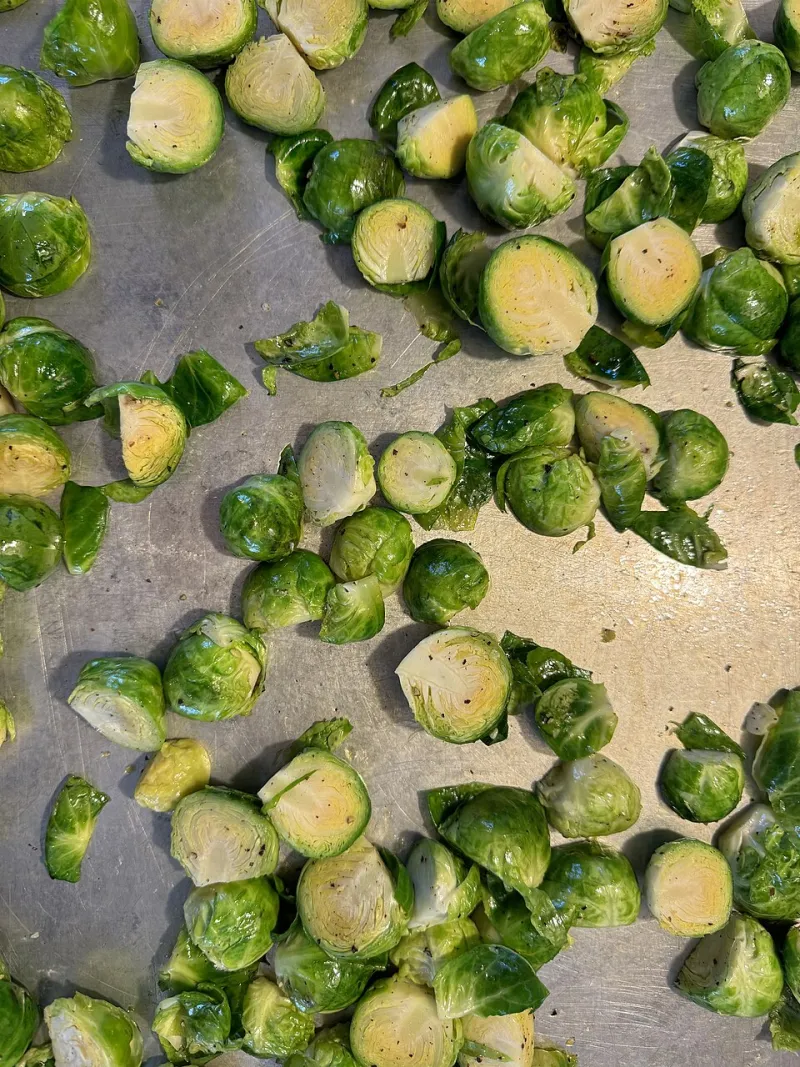
Photo: Missvain, CC BY 4.0, via Wikimedia Commons
There is a particular kind of British resignation that arrives with a bowl of sprouts at the Christmas table. Someone spoons them out because it is December, because it has always been done, because a roast without them would feel like a carol service without the descant. Then everyone eats two and leaves the rest to cool into small green stones.
I understand the suspicion. A sprout that has been boiled for too long tastes like the colour grey sounds: sulphuric, soft, and vaguely punitive. But that is not really the sprout’s fault. It is a cooking problem, and it has a fairly simple answer. Give them a very hot tray, a short stretch in the oven, and a glaze that sharpens rather than smothers. Late November is the right moment to try it, while the sprouts are sweet from the first proper frost and the kitchen window is already steamy.
Start with a better sprout
Look for sprouts that feel tight and heavy for their size, with leaves that are still firmly wrapped rather than peeling away in defeat. Smaller ones are not automatically better — the tiny button sprouts can scorch before they soften — but anything larger than a walnut will need to be halved so the inside catches up with the outside.
At home, trim the base of each sprout with a small knife. Don’t carve a deep cross into the bottom; that old habit was designed for boiling and only encourages waterlogging. If the outer leaf is bruised or loose, pull it off. If it is simply loose but healthy, keep it. More on that in a moment.
The case for the loose leaves
Those stray outer leaves are the best part of the whole operation. They go dark and crisp at the edges in the oven, tasting somewhere between a kale crisp and the best bits of a roast potato tray. Bin them and you are throwing away the sprout’s own garnish.
So gather them. Rinse everything well, then dry the sprouts and leaves properly. Wet vegetables steam in the oven, and steam is the enemy here. A clean tea towel and a few minutes of attention are worth more than any fancy glaze.
Hot tray, short time
Preheat the oven to 220°C fan, or 240°C conventional, with a large baking tray inside. The tray needs to be properly hot before the sprouts touch it. That initial blast of heat is what gives you charred edges and a tender middle without the long, slow softening that turns them to mush.
While the oven comes up to temperature, halve the sprouts through the root and toss them in a bowl with a good glug of olive oil, a generous pinch of sea salt and a few grinds of black pepper. Keep the loose leaves separate — they need less time.
When the tray is hot, tip the halved sprouts on and spread them cut-side down. They should hiss. Roast for 12 minutes without touching them. Then add the loose leaves, give the tray a quick shake, and roast for another 5 to 7 minutes. You want deep brown patches on the cut faces and leaves that are crisp at the edges but not black all over.
Don’t crowd the tray. If the sprouts are piled up, they will steam and sulk. Use two trays if you need to. This is supposed to be a quick, hot business, not a patience test.
The glaze that isn’t a syrup
The point of the honey here is not to sweeten the sprouts into submission. It is to soften the bitter edge just enough that the char and the lemon can do their work. A little goes a long way.
In a small bowl, mix a tablespoon of British honey with the finely grated zest of half a lemon and a tablespoon of lemon juice. If your honey is very set, warm the spoon briefly in hot water first. When the sprouts come out of the oven, drizzle the glaze over the hot tray and toss everything quickly — the heat will loosen the honey and coat the leaves without turning them sticky.
Finish with another squeeze of lemon at the table. That second bit of acid matters. It lifts the whole dish and keeps it from tasting like a winter pudding in vegetable form.
Serving without ceremony
Tip the sprouts into a warm bowl and scatter over a little flaky salt. If you are feeling generous, a handful of toasted hazelnuts or a few crisp sage leaves fried in the same oil would not be out of place. But honestly, the sprouts can stand on their own.
This is the version I would put on the Christmas table, not because it is traditional but because it is good. The sprouts keep a little bite, the loose leaves shatter, and the honey-lemon glaze gives just enough sweetness to make the bitterness feel deliberate rather than accidental.
It is also a useful dish for the weeks before Christmas, when the fridge is full of odds and ends and the oven is already on for something else. A hot tray, a cold night, and a bag of sprouts that finally get a fair hearing. That feels like a decent late-November result.