A Cold Snap Does Kale a Favour — With a Honey-Mustard Dressing to Match
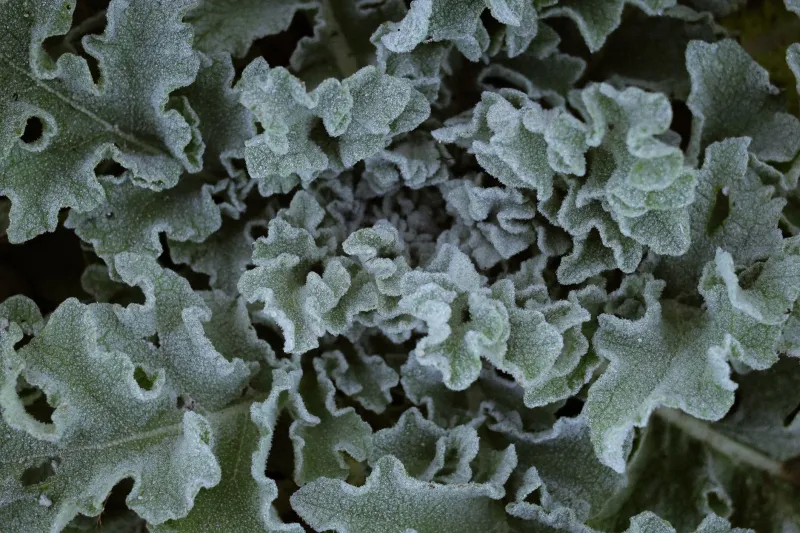
By the first week of November, the veg patch has usually gone quiet. Beans are finished, courgettes are a distant memory, and the greenhouse smells of damp soil and tomato stalks. But out in the cold, kale is still standing. In fact, it is often better than it was in September. A few sharp frosts do something quietly wonderful to those crinkled leaves, and if you grow your own, this is the moment to appreciate it.
Why frost makes kale taste sweeter
Kale is a brassica, and brassicas are clever about cold. As temperatures drop, the plant begins a process called cold acclimation. It converts stored starches into soluble sugars — glucose, fructose and sucrose — which act a little like antifreeze inside the cells. These sugars lower the freezing point of the plant's sap and help protect cell membranes from ice damage. The side effect, from our point of view, is that the leaves taste sweeter.
The bitterness doesn't disappear entirely, and that's no bad thing. Kale's pleasant bitter note comes from glucosinolates, the same compounds that give mustard and horseradish their kick. After frost, though, sweetness and tenderness move to the front of the queue. Leaves that were tough and grassy in October become softer, nuttier and more mellow. It is one of the few garden rewards that arrives precisely when the weather is at its most miserable.
There is a limit, of course. A light frost or two is ideal. A hard, prolonged freeze can damage leaves, especially on less hardy varieties, and frozen leaves should not be harvested until they have thawed. Pick on a mild morning after a cold night, rather than snapping off icy leaves at dawn.
UK varieties that earn their winter space
If you want kale through the colder months, start with varieties that are built for it. Cavolo Nero, also sold as Lacinato or Tuscan kale, is the classic. Its long, dark, blistered leaves stand well through winter and sweeten beautifully after frost. Pick the lower leaves first and leave the crown to keep producing.
Red Russian is another favourite for UK plots. It has purple stems, ragged grey-green leaves and a tender texture that makes it good for eating raw as well as cooked. It is hardy, though in exposed northern plots it may appreciate a little shelter from the worst weather. Winterbor is a reliable curly kale with good cold tolerance, and Pentland Brig is a heritage variety with a Scottish name and a sturdy constitution. Daubenton's perennial kale is worth considering if you want a long-term patch; it crops over a long season and is less fussy about being replanted each year.
Whichever you choose, plant them where they will get some shelter from biting wind. A windy site does more damage than cold alone, and a little protection around the base of the plants can make a real difference.
Protection without plastic
There is a temptation in November to wrap everything in fleece and forget about it. But plastic-based horticultural fleece is rarely necessary for hardy kale, and it can create a humid, stagnant pocket that encourages rot. If you already own fleece, by all means reuse it, but try not to buy new plastic for a crop that is perfectly capable of looking after itself.
Better options are simple and often free. Glass cloches, old cold frames or even a sheet of clean glass propped over a timber frame will keep the worst of the weather off without trapping condensation in the same way. A mulch of straw, leaf mould or bracken around the stems — kept clear of the leaves — helps protect the roots. A woven hazel or willow windbreak, or a piece of jute mesh, can take the sting out of the wind without sealing the plants in.
If pigeons are the bigger problem, a wooden frame with woven netting or a brassica cage will do the job. Avoid plastic netting where you can; it shreds, tangles and ends up in the hedge. And don't overprotect. Kale wants cold to sweeten. The aim is shelter, not a sauna.
Harvesting with a little patience
Harvest outer leaves rather than cutting the whole plant. Use a sharp knife and leave the growing point intact. In mild winters you can keep picking from the same plants for weeks. If a hard freeze is forecast, pick what you need beforehand and leave the rest standing. Frozen leaves will recover if the thaw is gentle, but they won't thank you for being handled while rigid.
Back in the kitchen, wash the leaves well — November kale often arrives with a little grit and the odd slug — then strip the stems if they are thick. Small leaves can be steamed or shredded raw. Larger ones are best blanched, sautéed or roasted until the edges crisp.
A warm honey-mustard dressing for frosted kale
This dressing is the sort of thing that turns a bowl of leaves into a proper winter lunch. It is sharp, slightly sweet and warming without being heavy. Make it in a small pan and pour it over shredded kale while it is still warm.
Ingredients
- 3 tbsp extra-virgin olive oil
- 1 tbsp apple cider vinegar
- 2 tsp Dijon mustard
- 2 tsp runny British honey
- 1 small garlic clove, finely grated
- A pinch of sea salt
- Black pepper
- 1 tbsp warm water, if needed
Method
Whisk the oil, vinegar, mustard, honey, garlic, salt and pepper in a small bowl. If it looks too thick, add the warm water a little at a time. Warm gently in a small pan over a low heat for about 30 seconds — just enough to take the chill off. Do not let it bubble.
Pour over finely shredded kale, toss well and leave for five minutes so the leaves soften. Finish with toasted oats, hazelnuts or a handful of cold-weather salad leaves. It is also good spooned over roast carrots, parsnips or a baked sweet potato. The honey rounds off the mustard, the vinegar cuts through the kale's bitterness, and the whole thing feels like a small act of defiance against the dark afternoons.
